Posted on 9/25/2026
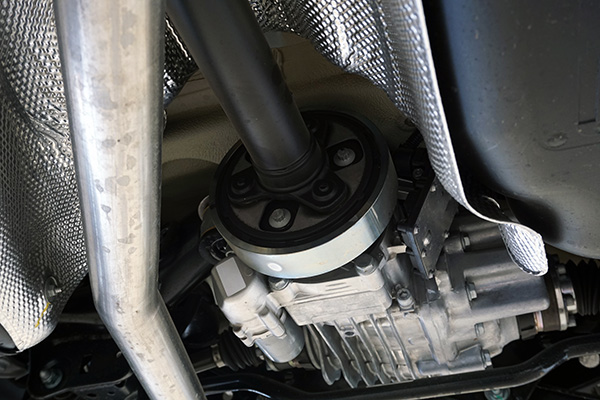
A leaking axle seal on a Jeep can start with a small wet spot around the differential, axle tube, or inside of a wheel. At first, it may not seem serious because the Jeep still drives normally and there may be no noise at all. Axle seals keep gear oil inside the differential and away from the brakes, bearings, and surrounding components. Once a seal starts leaking, the fluid level can slowly drop, and contamination can spread to places it does not belong. At our shop, we want to know why the seal failed before simply replacing it. Worn Seals Lose Their Ability to Hold Gear Oil Axle seals ride against a rotating axle shaft and must maintain a tight seal while handling heat, gear oil, and constant movement. Over time, the sealing lip can harden, wear down, or lose tension. Once that happens, fluid begins working its way past the seal. The leak may start as light seepage and gradually become more obvious. Age and mileage play a role, but Jeeps that see frequent off-ro ... read more
Posted on 8/29/2026
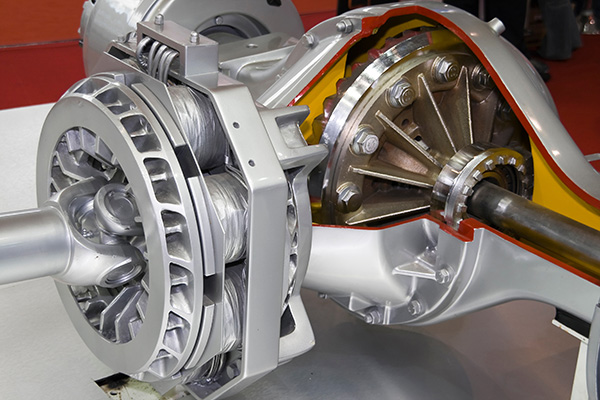
A transfer case sends power from the transmission to both the front and rear axles. It is one of the key components that allows a four-wheel-drive or all-wheel-drive vehicle to move more than one axle at the same time. The transfer case does not create engine power. It receives torque from the transmission, divides that torque between the axles, and directs it through driveshafts. Depending on the vehicle, it may also provide low-range gearing, allow the driver to select different drive modes, or adjust torque distribution automatically. How The Transfer Case Connects The Drivetrain In a rear-wheel-drive vehicle, the transmission usually sends power through one driveshaft to the rear differential. A transfer case adds another path for power to reach the front axle. The transmission output connects to the transfer case. Inside the case, gears or a chain transmit torque to the front and rear output shafts. Those output shafts connect to driveshafts, which carry power ... read more
Posted on 7/31/2026

A Jeep can spend most of its life on pavement and still depend on its 4WD system when the day comes. Maybe it is a muddy driveway, a snowy trip, a wet boat ramp, a washed-out trail, or one weekend where you finally need the extra traction. The problem is that parts you rarely use can still age, leak, bind, seize, or run low on fluid. A 4WD system is not protected just because it sits unused. The transfer case, differentials, seals, bearings, driveshafts, U-joints, shift motors, cables, and electronic controls all live underneath the vehicle where heat, water, road grime, and time do their work. If the system has not been checked in years, the first time you need it may be the first time you realize it is unhappy. 4WD Parts Still Move Even On Pavement Even when your Jeep is in 2WD, some drivetrain parts may still rotate depending on the model and setup. Driveshafts, axle parts, bearings, seals, and differential components can still be exposed to load, vibration, heat ... read more
Posted on 6/26/2026
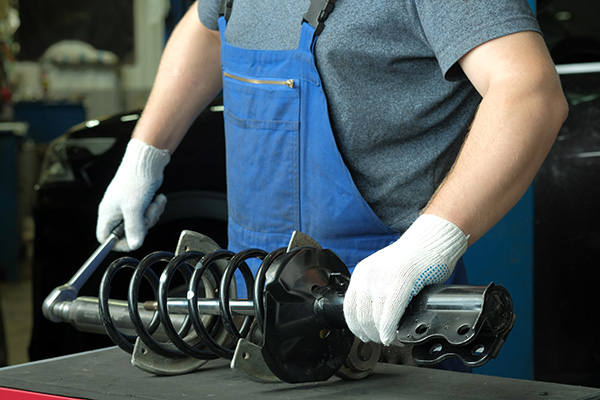
Shocks and struts do not always fail loudly or obviously. Most drivers notice the car feels different before they know which part is responsible. The ride gets bouncier, the front end dips more during braking, or the tires start wearing in strange patterns. That change should not be brushed off as normal aging. Shocks and struts help control how the vehicle moves, how the tires meet the road, and how stable the car feels during braking, turning, and rough road driving. Once they wear out, the rest of the suspension has to work harder. Shocks And Struts Control Vehicle Movement Shocks and struts are designed to control spring movement. The springs carry the vehicle’s weight and absorb road impact, while the shocks and struts keep that motion from continuing too long. Without that control, the vehicle would keep bouncing after every bump. When these parts wear, the vehicle starts moving more than it should. You might feel extra bounce after hitting a dip, more ... read more
Posted on 5/29/2026
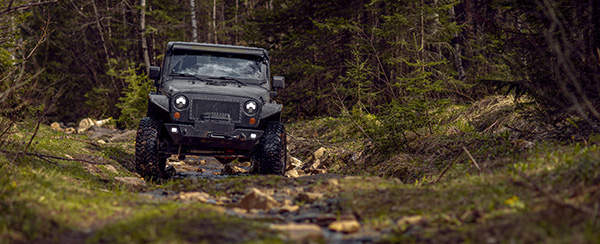
A Jeep Wrangler is built for more than clean pavement, but that does not mean it can take endless abuse without attention. Trails, mud, rocks, water crossings, bigger tires, and suspension upgrades all add stress in places that daily drivers rarely think about. The difference between a Wrangler that feels ready and one that keeps needing repairs is usually care. Good habits, smart service, and paying attention after off-road use can make the vehicle more reliable both on the trail and on the road. Check The Suspension After Trail Use A Wrangler’s suspension takes real punishment off-road. Control arms, bushings, ball joints, shocks, springs, sway bar links, and track bars all deal with twisting, impacts, and uneven terrain. A part does not have to break completely before it starts changing how the Jeep feels. Clunks over bumps, wandering steering, uneven tire wear, or vibration after a trail ride should not be ignored. Off-road driving can loosen hardware, da ... read more