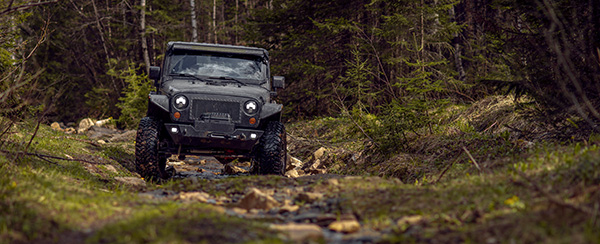
A Jeep Wrangler is built for more than clean pavement, but that does not mean it can take endless abuse without attention. Trails, mud, rocks, water crossings, bigger tires, and suspension upgrades all add stress in places that daily drivers rarely think about.
The difference between a Wrangler that feels ready and one that keeps needing repairs is usually care. Good habits, smart service, and paying attention after off-road use can make the vehicle more reliable both on the trail and on the road.
Check The Suspension After Trail Use
A Wrangler’s suspension takes real punishment off-road. Control arms, bushings, ball joints, shocks, springs, sway bar links, and track bars all deal with twisting, impacts, and uneven terrain. A part does not have to break completely before it starts changing how the Jeep feels.
Clunks over bumps, wandering steering, uneven tire wear, or vibration after a trail ride should not be ignored. Off-road driving can loosen hardware, damage bushings, or expose wear that was already starting. A suspension inspection after harder use can catch those issues before they affect steering and tire life.
Pay Close Attention To Steering Feel
Wrangler steering problems can show up as looseness, pulling, shimmy, vibration, or a steering wheel that no longer centers well. Bigger tires and lift kits can make those symptoms easier to notice because they place more load on steering components. Tie rods, drag links, ball joints, track bars, and steering stabilizers all need to be in good shape.
Do not blame every steering shake on one part. A wobble can come from worn front-end parts, tire balance, alignment issues, loose hardware, or a combination of these. The right repair starts with checking the entire front end rather than replacing the most common part first.
Keep Tires, Alignment, And Tire Pressure In Check
Tires affect nearly everything about how a Wrangler drives. Off-road tires can be louder and heavier than standard tires, and they need proper pressure and rotation to wear correctly. If tire pressure is too low on the road, the tires can overheat and wear unevenly. If it is too high on the trail, traction can suffer.
Alignment is just as important. A Wrangler that sees rough trails, potholes, curbs, or suspension changes can lose proper alignment faster than expected. If the Jeep pulls, the steering wheel sits crooked, or the tires wear unevenly, the alignment and suspension should be checked together.
Do Not Ignore Driveline Vibration
Wranglers with lifts, larger tires, or heavy off-road use can develop driveline vibration. U-joints, driveshaft angles, axle components, and mounts all need attention when the vehicle starts shaking under acceleration or at certain speeds. A small vibration can be more than an annoyance.
Driveline parts work under load. If a worn U-joint or angle issue is left alone, it can stress nearby parts and lead to a larger repair. Any new vibration after a trail ride, lift install, or tire change deserves a closer look.
Protect The Cooling System
Off-road driving can be hard on the cooling system because the engine works at low speeds with less airflow through the radiator. Mud, dirt, leaves, and debris can also block airflow if they collect around the radiator or condenser. That makes overheating more likely, especially on hot days or slow technical trails.
Coolant level, hoses, radiator condition, fan operation, and the thermostat all need to be healthy. If the temperature gauge climbs, the Jeep smells hot, or coolant keeps dropping, the system needs service before the engine is damaged. Regular maintenance helps keep cooling problems from surprising you when the vehicle is working hard.
Service The Fluids More Carefully
Wranglers that go off-road need more attention to fluids than vehicles that stay on pavement. Engine oil, transmission fluid, transfer case fluid, differential fluid, brake fluid, and coolant all protect parts that are subject to heat, load, and contamination. Water crossings and mud can also create problems if moisture gets into axle or drivetrain components.
After deeper water or heavy mud, differential and transfer case fluids should be checked for contamination. Milky fluid is a warning sign. Old or contaminated fluid cannot protect gears and bearings the way it should, and ignoring it can shorten the life of expensive drivetrain parts.
Use Upgrades That Match The Way You Drive
Lift kits, bigger tires, bumpers, winches, skid plates, and lighting upgrades can make a Wrangler more capable, but they also change how it drives and what parts carry extra load. A larger tire can affect braking, gearing, steering wear, fuel economy, and suspension geometry. A lift can change driveline angles and alignment needs.
The best upgrades are planned as a system. If one part changes, other parts may need support. A Wrangler built for weekend trails needs a different setup than one built for daily commuting, rock crawling, or overlanding. Matching the build to real use helps avoid repair problems caused by parts working against each other.
Get Jeep Wrangler Repair And Maintenance In Greensboro, NC, With Jeepguys
If your Wrangler has steering play, suspension noise, driveline vibration, overheating concerns, or needs trail-ready maintenance, Jeepguys in Greensboro, NC, can inspect it and help keep it ready for the way you drive.
Bring it in before off-road wear turns into a repair that keeps your Jeep parked instead of ready for the next trip.