A wheel bearing problem rarely starts with a dramatic failure. It usually starts with a faint hum you notice on a quiet stretch of road, then you catch yourself turning the radio down every drive. You may even wonder if the road surface is just louder lately.
If you’re at the point where replacement is on the table, it helps to know what the repair actually involves. That way you’re not surprised by the steps, the parts that may come along with it, or what should feel different once it’s fixed.
What A Wheel Bearing Does And Why It Fails
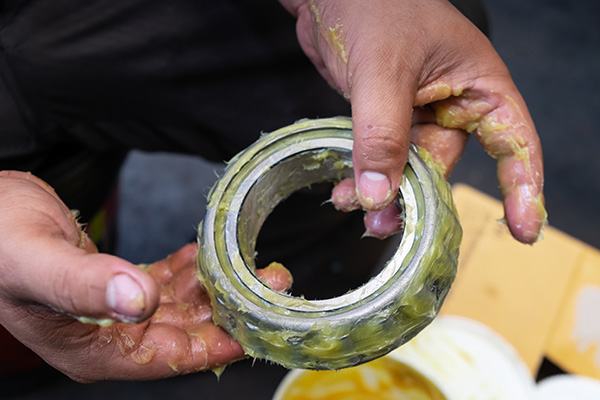
A wheel bearing supports the vehicle’s weight while letting the wheel rotate with minimal friction. It lives at the hub and deals with constant load, heat, and road shock. Over time, grease can break down, seals can let moisture in, or the bearing surfaces can wear.
Potholes and curb hits can speed things up. So can high mileage, heavy loads, and driving through deep water often. Once a bearing starts wearing, it typically gets noisier with time. It can also develop looseness that affects handling and tire wear.
Symptoms That Usually Lead To Wheel Bearing Replacement
Most drivers notice sound first. A worn bearing often produces a growl, hum, or roar that rises with speed. It may be quiet at 25 mph, then much more obvious at 55 mph.
A helpful clue is how the noise reacts to gentle steering input. On a steady road, a slight lane change can shift the load from one side to the other. If the sound gets louder when the vehicle loads one side, that often points toward a bearing on that side. Some vehicles also develop vibration in the steering wheel or seat, but that tends to show up later.
If you feel wandering, looseness, or a steering wheel that needs constant small corrections, the bearing may be worn enough to affect stability. At that point, it’s smart not to delay.
What Happens During A Proper Wheel Bearing Inspection
A good inspection starts with a road test to confirm the noise pattern. Then the vehicle is raised and the wheels are checked for play and roughness. Depending on the design, a technician may spin the wheel by hand and listen for a gritty feel or uneven rotation.
Because other issues can sound similar, inspection also checks the tires for uneven wear and checks the brakes for drag. A dragging caliper or a cupped tire can mimic a bearing noise. This is where real diagnosis saves money, because replacing a bearing will not fix a tire roar, and replacing tires will not fix a worn hub.
We’ve seen situations where the noise was blamed on tires for months, and it turned out the bearing was the real source once it was checked correctly.
What The Repair Usually Looks Like
Wheel bearing replacement depends on whether your vehicle uses a pressed-in bearing or a hub assembly. Either way, the goal is the same: remove the worn bearing, install the correct replacement, and torque everything properly so it stays tight and reliable.
In many cases, the wheel comes off, then the brake caliper and rotor are removed to access the hub area. If it’s a hub assembly, the hub is unbolted from the knuckle and replaced as a unit. If it’s a pressed-in bearing, the knuckle is removed, and the bearing is pressed out and pressed back in with the proper tools.
A pressed-in bearing repair can take longer because it involves more disassembly and precision pressing. Hub assemblies are often quicker, but they still require careful torque and clean mounting surfaces. Either way, a quality repair is not just swapping a part. It’s making sure the hub sits correctly, the axle is supported properly, and nothing is binding.
Parts That May Be Replaced Along The Way
Sometimes bearing replacement is straightforward. Other times, related parts influence the final plan. A few examples come up often:
- If the wheel speed sensor is integrated or fragile, it may need special handling or replacement if it’s damaged during removal.
- If the axle nut is a single-use design, it may be replaced to ensure correct clamping force.
- If the hub mounting surface is heavily rusted, cleaning and prep become part of doing the job right.
- If the knuckle or hub bolts are seized or damaged, they may need replacement to restore proper fastener strength.
None of this is meant to pad a repair. It’s about restoring the clamping and alignment that keep the bearing from failing early.
What You Should Notice After The Repair
The biggest change is usually the noise disappearing. That constant hum at speed should be gone. Steering often feels more settled too, especially if the old bearing has looseness.
What you should not notice is new vibration, pulling, or brake noise that wasn’t there before. If you do, it may point to something that was masked by the original noise, like tire wear or alignment issues. That’s why many shops will also recommend checking tire condition and alignment angles if the old bearing wore unevenly or if the vehicle took a big impact that likely started the bearing problem.
Get Wheel Bearing Replacement in Greensboro, NC, with Jeepguys
We can road-test your vehicle, pinpoint which bearing is failing, and replace the hub or pressed-in bearing using the correct tools and torque procedures. We’ll also check for related issues like tire wear, brake drag, and sensor concerns so you’re not chasing a second noise right after the first one is fixed.
Call Jeepguys in Greensboro, NC, to schedule service and get your wheel bearing repaired before the noise and looseness have time to get worse.